
SVL News
Solar-Thermal: Abora Solar - A Hybrid Mechanical Solution Advancing Decarbonization
For our latest SVL Coffee Break, we welcomed Alex Meinema, International Sales Manager for Abora Solar, and Alejandro del Amo Sancho, CEO of Abora Solar, to explore how hybrid PVT (photovoltaic-thermal) technology can support building decarbonization by generating both electricity and usable thermal energy from a single solar panel.
The discussion focused on how PVT can integrate with mechanical systems—including geothermal and heat pumps—to maximize available roof space, reduce energy consumption, and improve overall system efficiency.
PV + Thermal: Two Energy Sources from One Panel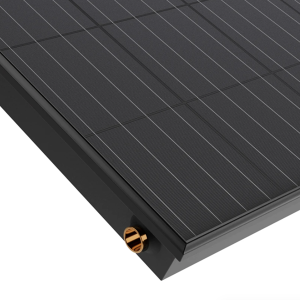
Traditional photovoltaic (PV) panels convert solar energy into electricity. Abora’s PVT technology takes that concept one step further by recovering thermal energy from the panel at the same time.
The result is a two-in-one solar solution that produces electricity and useful heat from the same surface area.
According to Abora, its covered and insulated PVT design can achieve combined efficiencies of up to 89%, with performance certified through Solar Keymark testing. This becomes particularly valuable on commercial buildings where roof area is limited but both electrical and thermal loads are significant.
Applications discussed during the webinar included hotels, hospitals, multifamily buildings, student housing, senior living, schools, swimming pools, district heating, car washes, and industrial facilities.
A New Tool for Geothermal Design
One of the most interesting engineering applications discussed was pairing PVT with geothermal systems.
In heating-dominant climates, geothermal bore fields can experience a long-term imbalance as more heat is extracted from the ground than is rejected back into it. PVT provides an opportunity to capture solar thermal energy and use it for ground regeneration, adding heat back into the geothermal system.
In this configuration, the ground itself can essentially function as the thermal storage medium, potentially eliminating the need for a separate buffer tank.
PVT can also potentially reduce the number of boreholes required for a project. Alejandro explained that one project used additional PVT panels specifically to reduce required drilling. By supplying thermal energy to the ground and allowing the heat pump to operate with more favorable entering-water temperatures, the approach can provide two benefits: lower initial capital costs and lower operating costs.
Designed for Cold-Climate Applications
For engineers in the Upper Midwest, an obvious question is: What happens when the panels are covered in snow?
Abora has installations in cold-weather regions including Switzerland, Finland, Sweden, Germany, and mountainous areas of Spain.
Alejandro explained that Abora developed a control strategy that can circulate warmer fluid through the panels when snow accumulation prevents solar production. This helps melt the snow from the panel surface so the system can return to energy production rather than remaining covered during subsequent sunny days.
Engineering the System Around the Building
Another important takeaway was that PVT isn’t simply a matter of determining how many panels fit on a roof.
The design process begins by evaluating the building’s thermal and electrical demand. Engineers can then determine the appropriate number of panels and how the PVT system should integrate with the building’s mechanical equipment.
Depending on the application, PVT can be combined with water-to-water heat pumps, air-to-water heat pumps, boilers, geothermal systems, buffer tanks, and other HVAC equipment.
Alejandro emphasized the importance of developing the hydraulic schematic early in the design process. Once the energy requirements and hydraulic strategy are established, the physical installation becomes relatively straightforward: structure, panels, piping, hydraulic components, and electrical connections.
Five Key Takeaways
The Coffee Break highlighted five important advantages of hybrid solar-thermal technology: dual electrical and thermal energy production, better utilization of limited roof space, integration with heat pumps and geothermal, opportunities to reduce bore-field requirements, and improved overall building energy performance.
For engineers and building owners pursuing decarbonization, PVT provides another tool for connecting renewable energy generation directly to the building’s mechanical system.
Rather than thinking of solar solely as an electrical solution, solar-thermal allows the sun to become part of the HVAC system.
Bringing Solar-Thermal and Geothermal Together
Through SVL Geothermal Solutions LLC, Abora’s PVT technology adds another tool for designing more efficient, balanced geothermal systems—particularly in heating-dominant climates.
When paired with Geo-PAK®, Abora PVT panels can capture solar thermal energy and transfer that heat back into the ground, helping regenerate the geothermal field. This added thermal input can help address seasonal ground-temperature imbalance while potentially reducing the amount of drilling required and improving heat pump operating conditions.
Together, Abora PVT + Geo-PAK® create a hybrid approach that combines solar energy, geothermal storage, and heat pump technology into one integrated mechanical solution.
Interested in exploring how Abora and Geo-PAK® could work together on your next project? Connect with SVL Geothermal Solutions to evaluate the application, model system performance, and determine the right geothermal strategy for your building.
Don’t Miss the Next SVL Coffee Break
SVL Coffee Break webinars provide practical engineering insights for commercial HVAC professionals.
Topics include:
- Hybrid PVT solar technology
- Solar-thermal HVAC integration
- Geothermal system integration
- Building electrification
- Decarbonization solutions
- Renewable thermal energy
- Energy-efficient mechanical systems
Opt-in to SVL marketing emails to receive upcoming Coffee Break invites and on-demand recordings.