SVL News
Geothermal at Scale: Unlocking Smarter Ground Loop Solutions with Brightcore Energy
The Future of Commercial Geothermal HVAC Systems
As commercial buildings push toward electrification, decarbonization, and long-term energy efficiency, geothermal HVAC systems are becoming one of the most talked-about solutions in the commercial HVAC industry. In a recent SVL Coffee Break webinar, Brightcore Energy joined SVL to demonstrate how advanced geothermal engineering, intelligent ground loop design, and innovative drilling technologies are transforming what’s possible with modern geothermal systems.
Hosted by SVL President Jim Lubratt, the webinar featured Dave Hermantin, Senior Vice President of Geothermal Engineering and Innovation at Brightcore Energy, alongside Sam Chussid, Geothermal Sales Engineer. Together, they explored how Brightcore is redefining geothermal at scale through highly engineered geothermal systems designed for universities, healthcare facilities, commercial buildings, district energy systems, and thermal energy networks.
Why Geothermal HVAC Systems Continue to Gain Momentum
As energy costs rise and sustainability initiatives accelerate, geothermal heat pump systems are increasingly being evaluated as a long-term solution for commercial heating and cooling applications.
Unlike traditional HVAC systems that rely on fluctuating outdoor air temperatures, geothermal systems utilize the stable temperatures underground to provide highly efficient heating and cooling year-round. During the summer, heat is rejected into the ground. During the winter, stored thermal energy is extracted from the earth to heat the building.
This creates several major advantages:
- Improved HVAC energy efficiency
- Lower operating costs
- Reduced greenhouse gas emissions
- Long-term energy stability
- Enhanced building electrification opportunities
- Reduced dependence on fossil fuels
- Better lifecycle economics for commercial buildings
Brightcore emphasized throughout the webinar that geothermal systems essentially function as a thermal battery — storing and transferring energy through the ground over seasonal cycles.
Brightcore Energy: Engineering Geothermal at Scale
Brightcore Energy specializes in highly engineered commercial geothermal systems designed to solve complex site constraints that traditionally limited geothermal adoption.
Rather than relying solely on conventional vertical bore field layouts, Brightcore utilizes advanced drilling technologies, 3D geothermal modeling, and angled drilling strategies to maximize geothermal capacity in limited land areas.
Advanced Geothermal Bore Field Design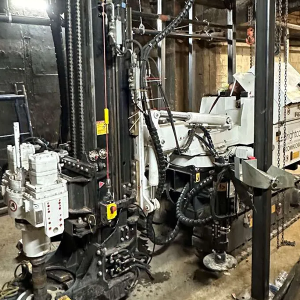
One of the most compelling examples shared during the webinar was Brightcore’s geothermal installation at Yale University’s Science Hill campus.
The project required approximately 2,000 tons of geothermal capacity while working within extremely limited site space and existing campus infrastructure. To solve this challenge, Brightcore designed an angled borehole system that allowed geothermal wells to fan outward underground while maintaining a compact footprint at the surface.
This approach provides several key benefits:
- Maximized geothermal capacity in tight urban spaces
- Reduced surface land requirements
- Improved flexibility for retrofit projects
- Enhanced thermal energy storage capabilities
- Better integration with campus district energy systems
Brightcore demonstrated how angled geothermal drilling can transform narrow pathways, parking areas, and constrained urban sites into viable geothermal installations that would previously have been impossible using traditional bore field methods.
Geothermal Retrofit Solutions for Existing Buildings
Another major highlight of the webinar was Brightcore’s ability to install geothermal systems inside existing occupied buildings.
Using specialized compact drilling rigs developed from Scandinavian geothermal technologies, Brightcore can drill geothermal boreholes within parking structures, basements, and confined interior spaces.
One example discussed involved a New York City building where Brightcore installed geothermal boreholes inside the structure itself using miniature drilling equipment lowered into the building. This type of innovation dramatically expands the potential applications for geothermal retrofits in dense urban environments.
For building owners pursuing building decarbonization strategies, this opens new opportunities for:
- Existing commercial building retrofits
- Healthcare facility upgrades
- University campus electrification
- Urban high-rise geothermal systems
- District thermal energy networks
- Sustainable HVAC modernization projects
Intelligent Geothermal Monitoring and Energy Optimization
Brightcore also highlighted a major differentiator in their geothermal offering: long-term operational intelligence.
Traditional geothermal systems often lack continuous visibility into ground loop performance after startup and commissioning. Brightcore addresses this challenge through a proprietary monitoring dashboard and digital twin platform that continuously tracks geothermal system performance in real time.
The platform allows facility operators to monitor:
- Ground loop temperatures
- Thermal energy transfer
- Seasonal performance trends
- Building load behavior
- Long-term geothermal optimization
- System efficiency metrics
This proactive monitoring approach helps facilities maximize energy performance while supporting predictive maintenance and long-term operational reliability.
Commercial Geothermal Incentives and Tax Credits
The webinar also covered the financial side of geothermal adoption.
Brightcore explained how the federal Investment Tax Credit (ITC) remains one of the most significant drivers for commercial geothermal projects. Depending on project specifics, geothermal systems may qualify for substantial federal incentives that can dramatically improve project economics.
Potential benefits include:
- Federal geothermal tax credits
- Energy efficiency incentives
- Utility rebate opportunities
- Decarbonization funding programs
- Long-term utility savings
- Reduced total cost of ownership
Brightcore’s engineering and financial modeling teams help clients optimize geothermal system design to maximize available incentives while balancing long-term performance goals.
The Future of Geothermal and Thermal Energy Networks
One of the clearest messages from the SVL Coffee Break webinar was that geothermal is no longer limited to niche applications or large suburban campuses.
Through advanced drilling methods, intelligent system design, and operational analytics, Brightcore Energy is helping commercial HVAC professionals rethink what geothermal can accomplish in dense urban environments, existing facilities, and large-scale thermal energy networks.
As building owners continue pursuing decarbonization, electrification, and energy resilience goals, geothermal systems are positioned to become an increasingly important component of sustainable HVAC design.
Learn More About Brightcore Energy Geothermal Solutions
If you missed the webinar or would like to learn more about geothermal HVAC systems, angled drilling technology, thermal energy networks, or commercial geothermal design, contact your local SVL sales engineer to explore how Brightcore Energy can support your next project.
Don’t Miss the Next SVL Coffee Break
SVL Coffee Break webinars provide practical engineering insights for today’s commercial HVAC professionals. Each session features real-world applications, emerging HVAC technologies, energy efficiency strategies, and expert industry perspectives across topics including:
- Geothermal HVAC systems
- Hydronic systems
- Decarbonization technologies
- Indoor air quality solutions
- Data center cooling
- Thermal energy networks
- Commercial HVAC innovation
Opt-in to SVL marketing emails to receive upcoming Coffee Break invites and on-demand recordings.